Eucalyptus Burl Cane
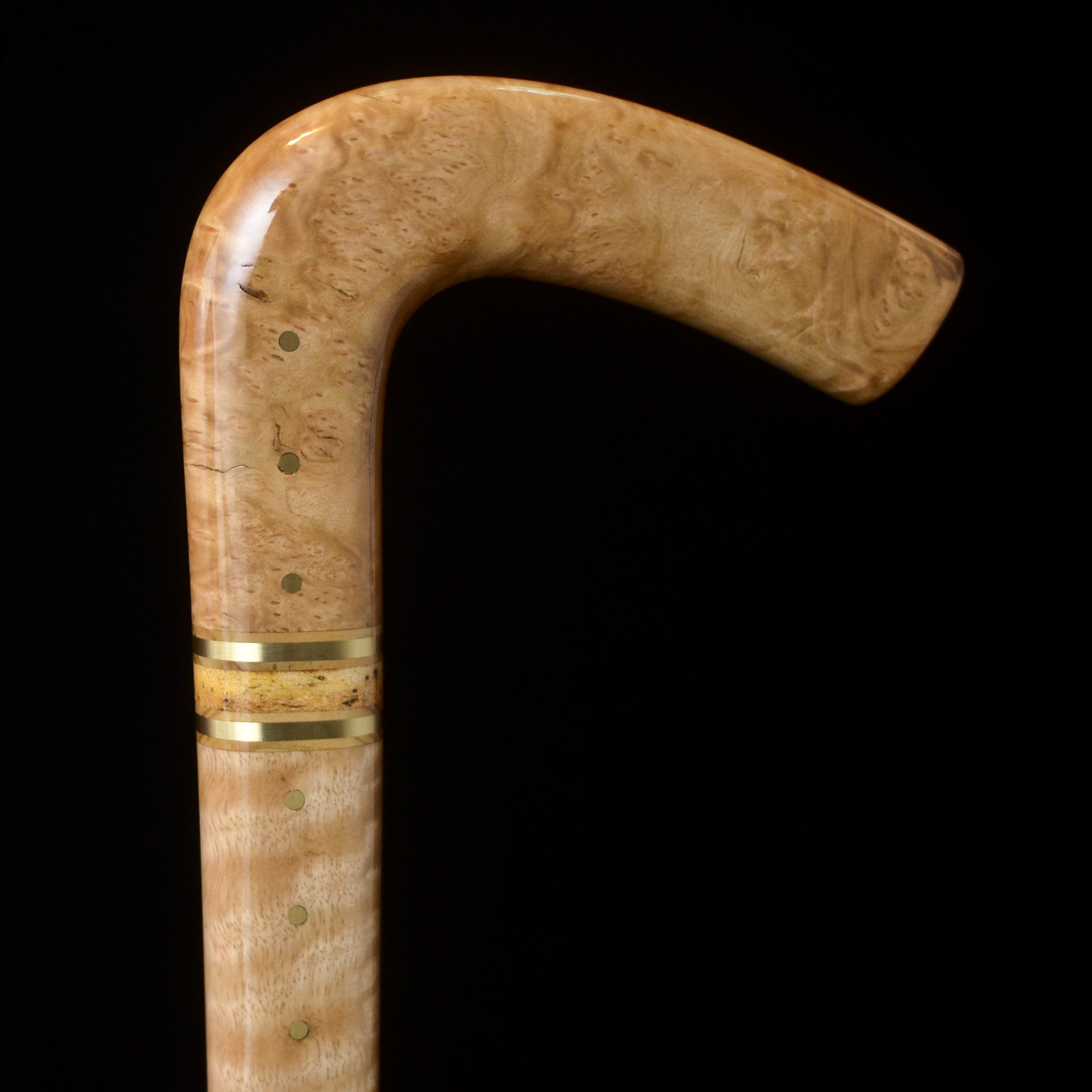
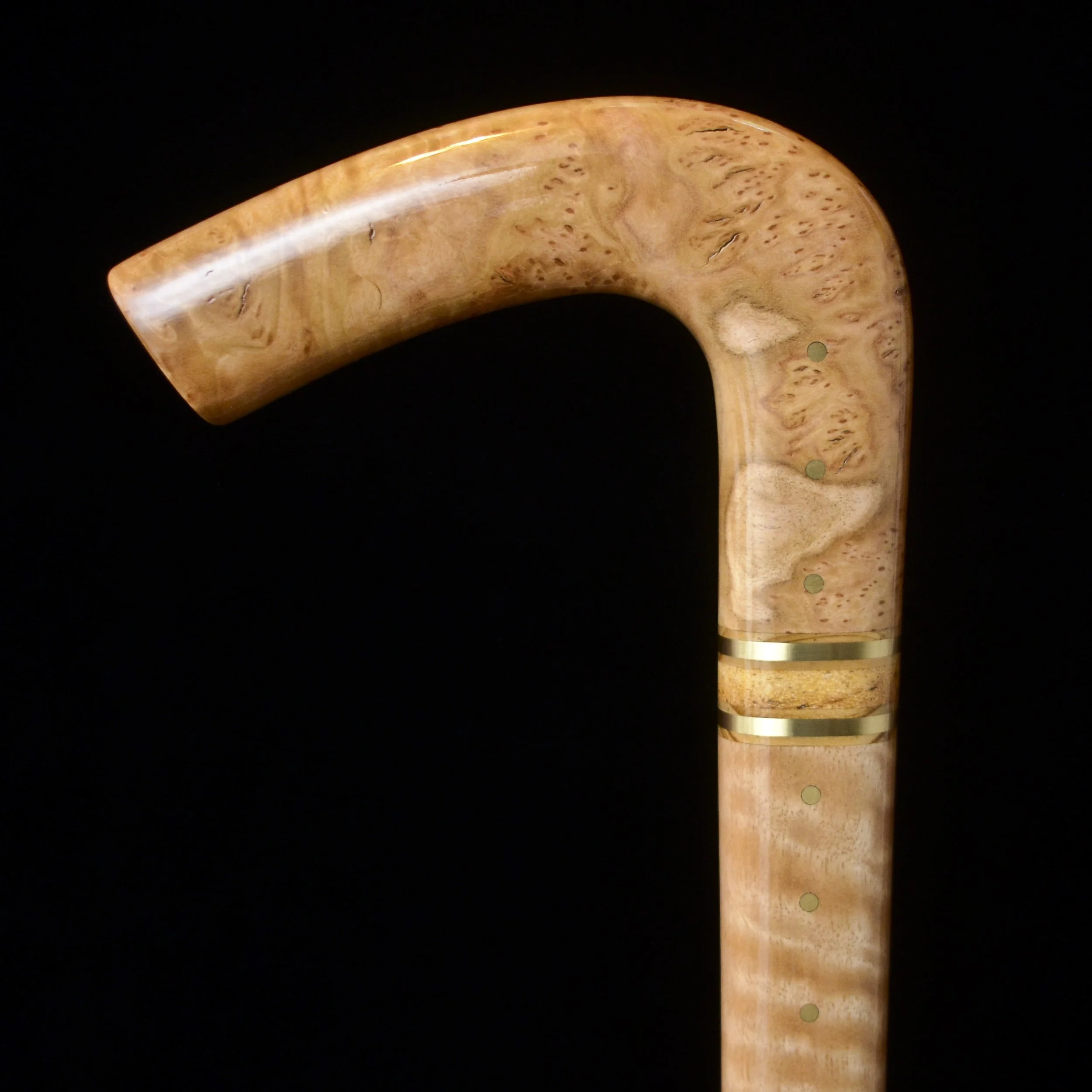
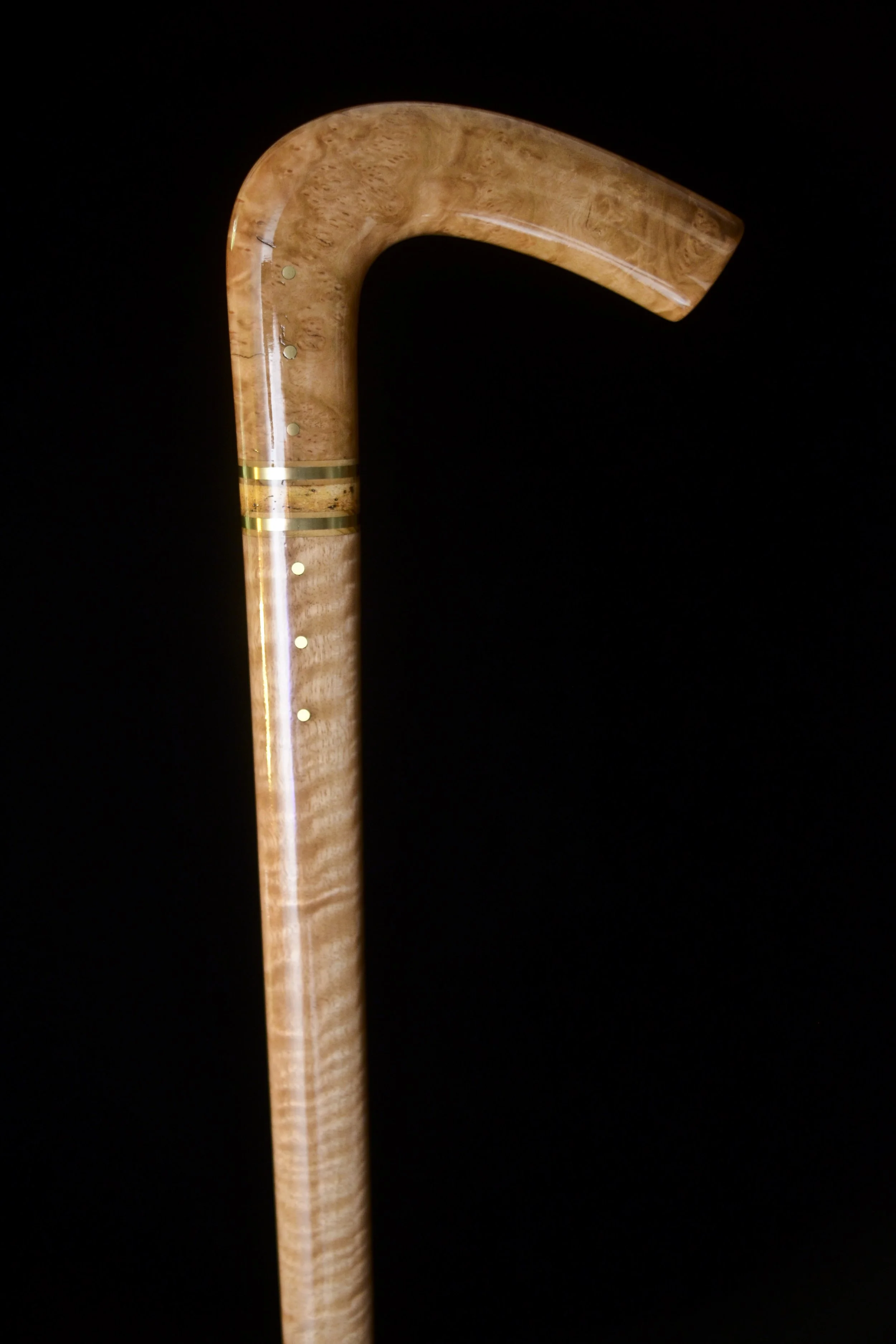
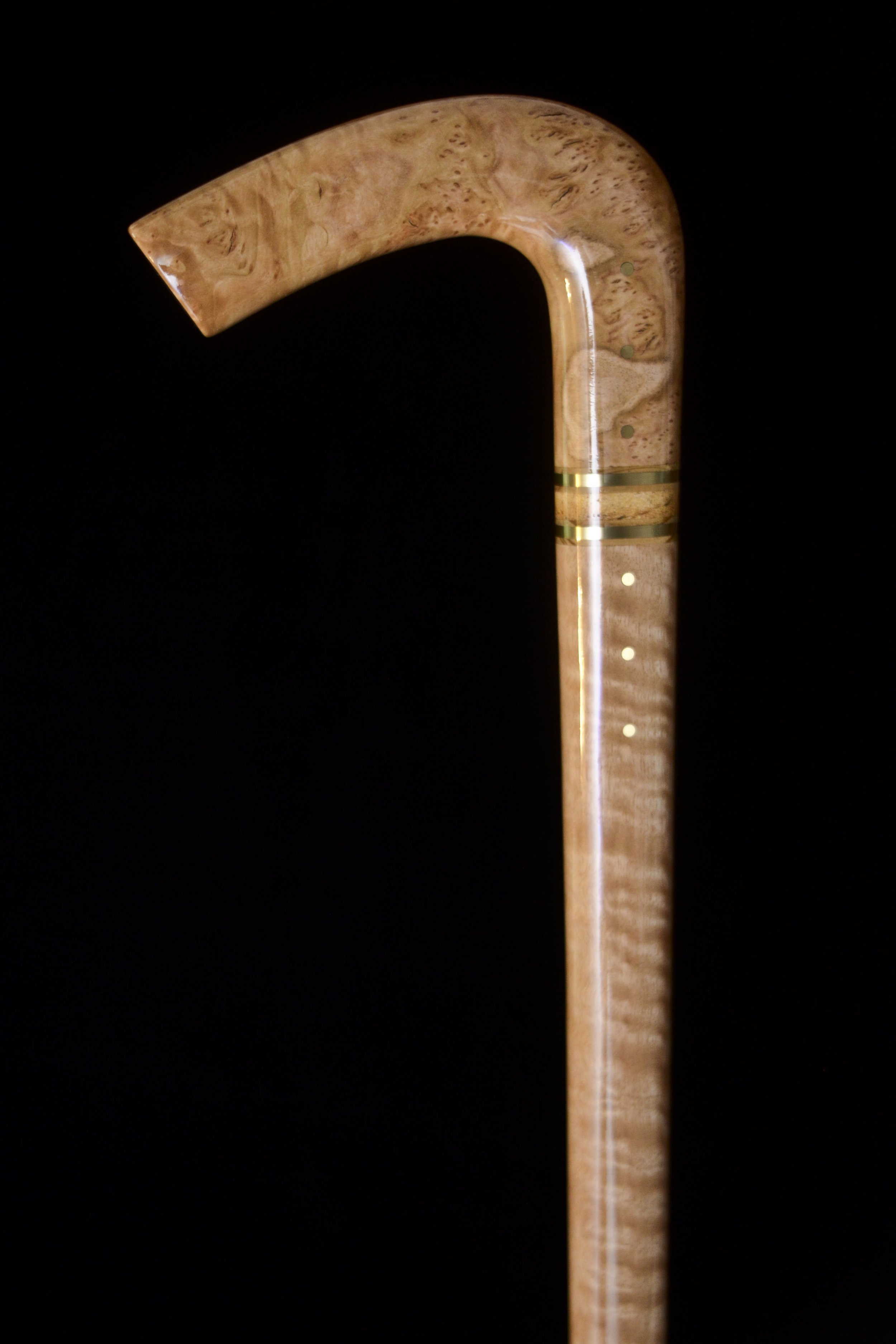
Eucalyptus Burl Cane
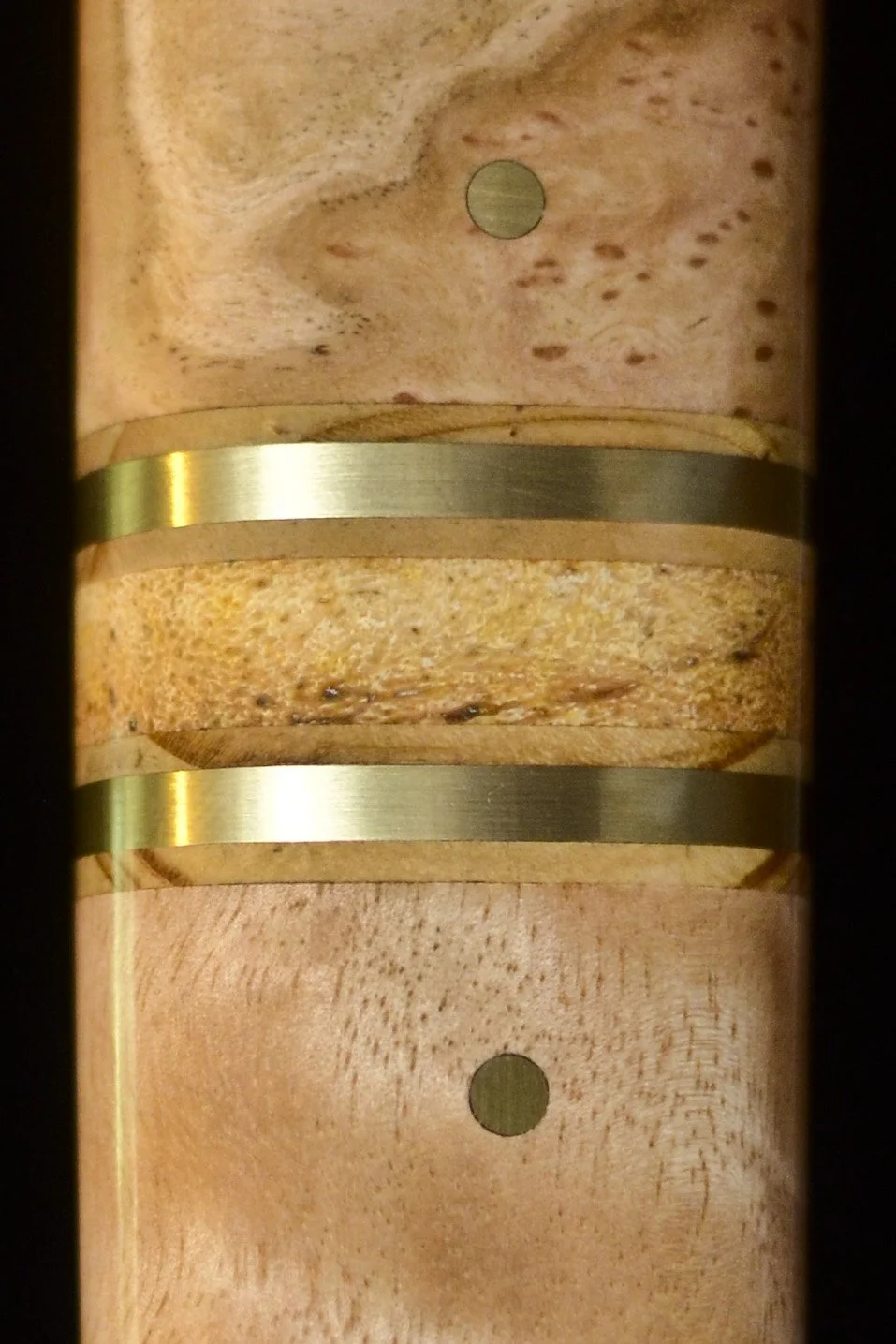
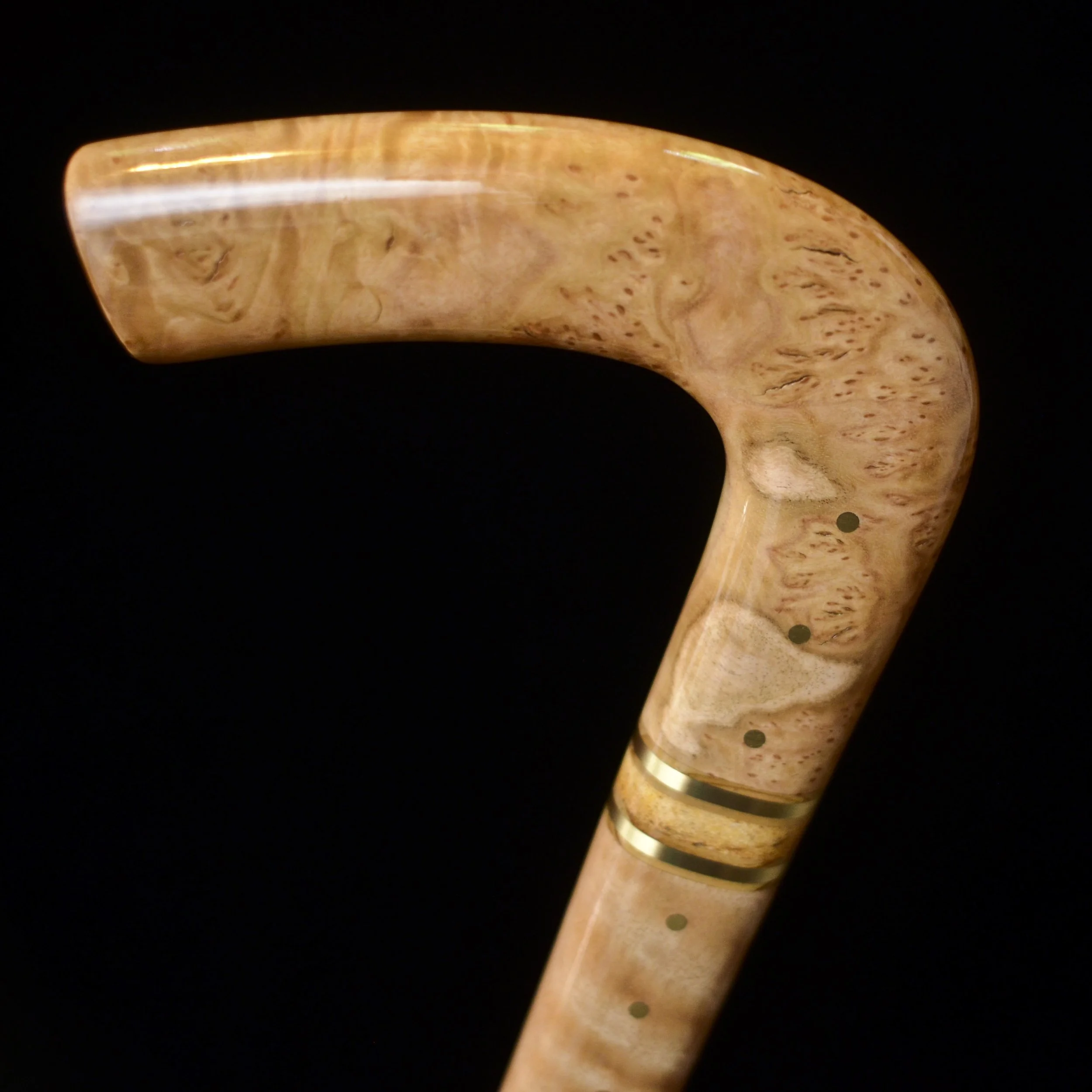
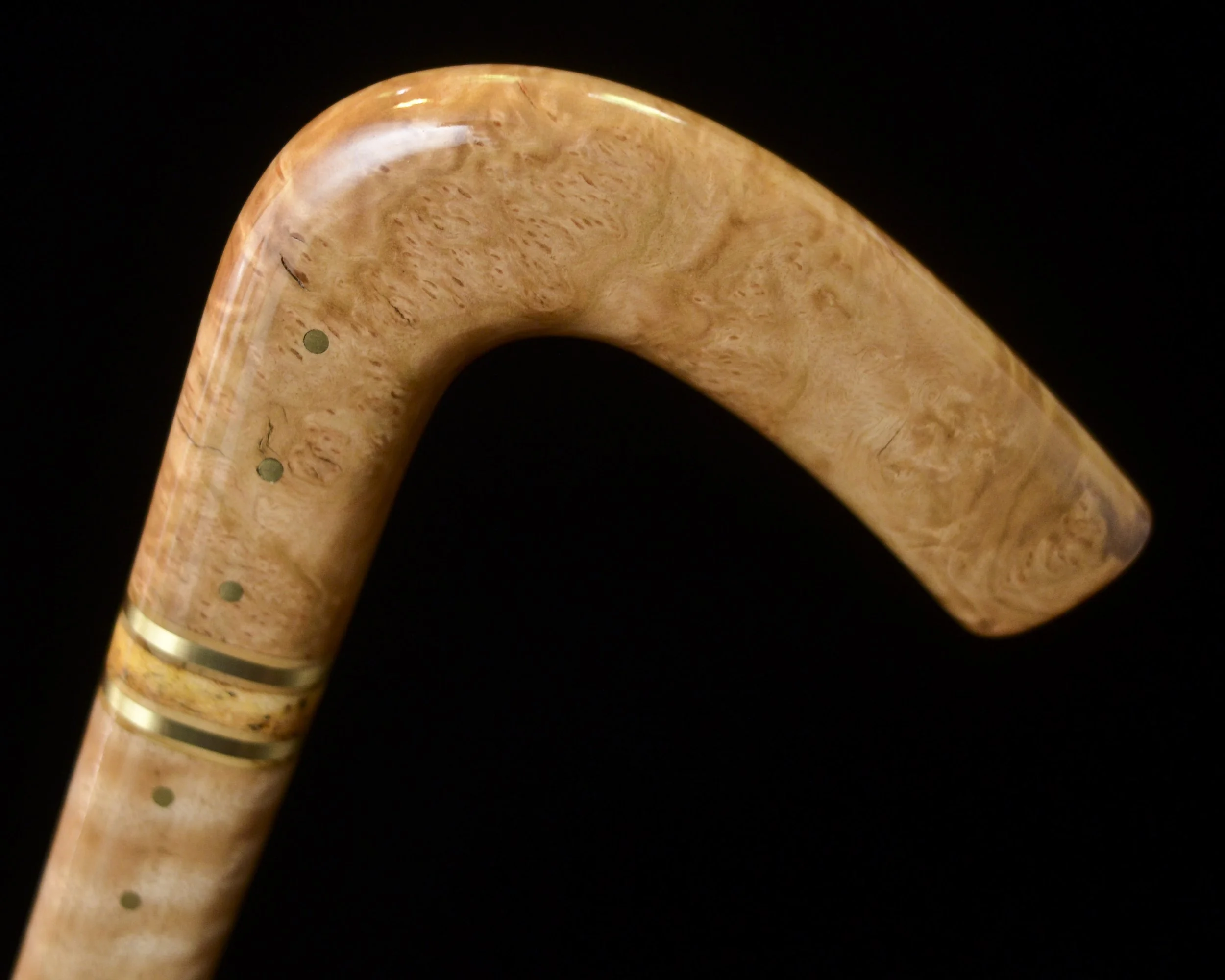
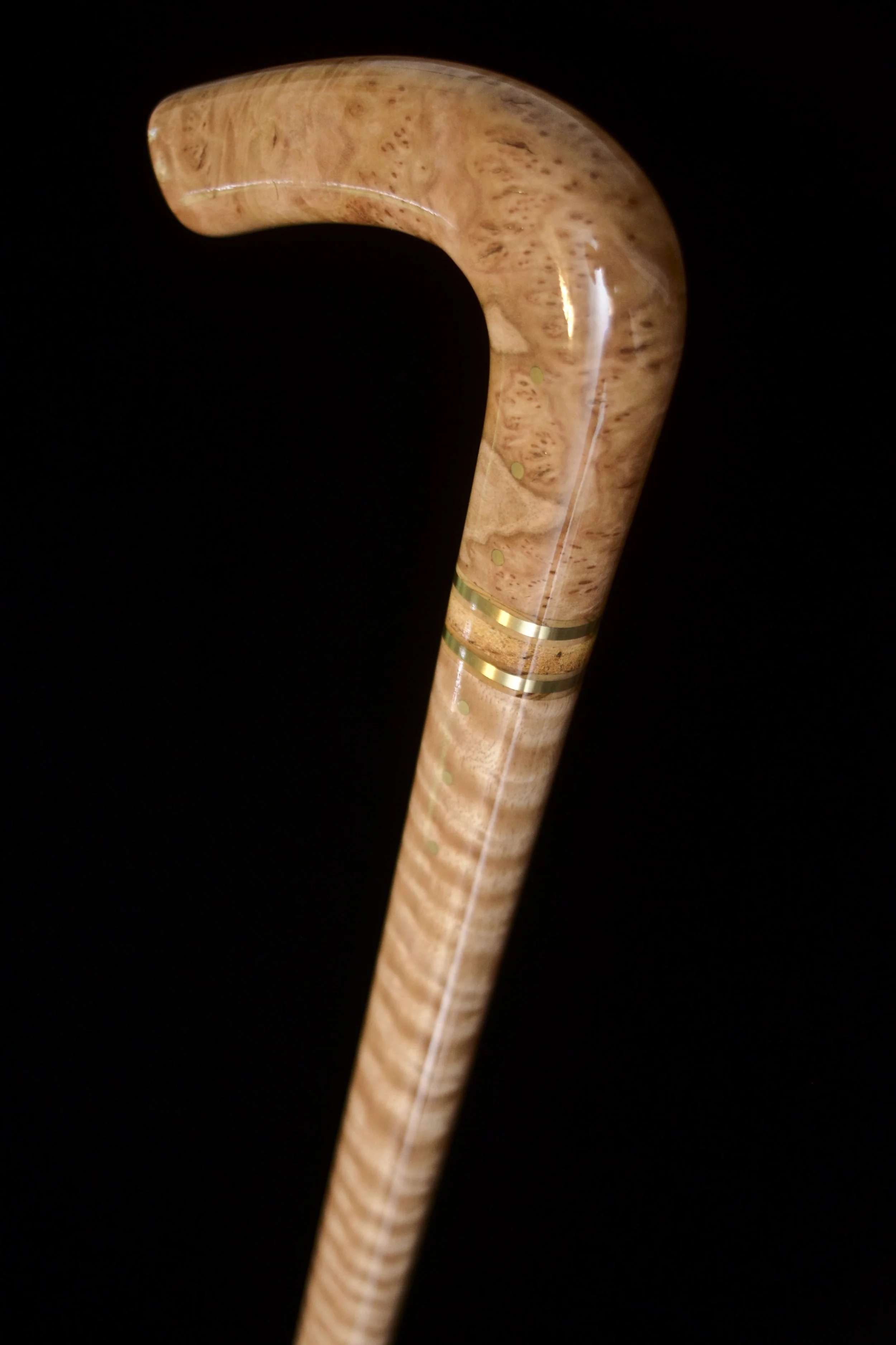
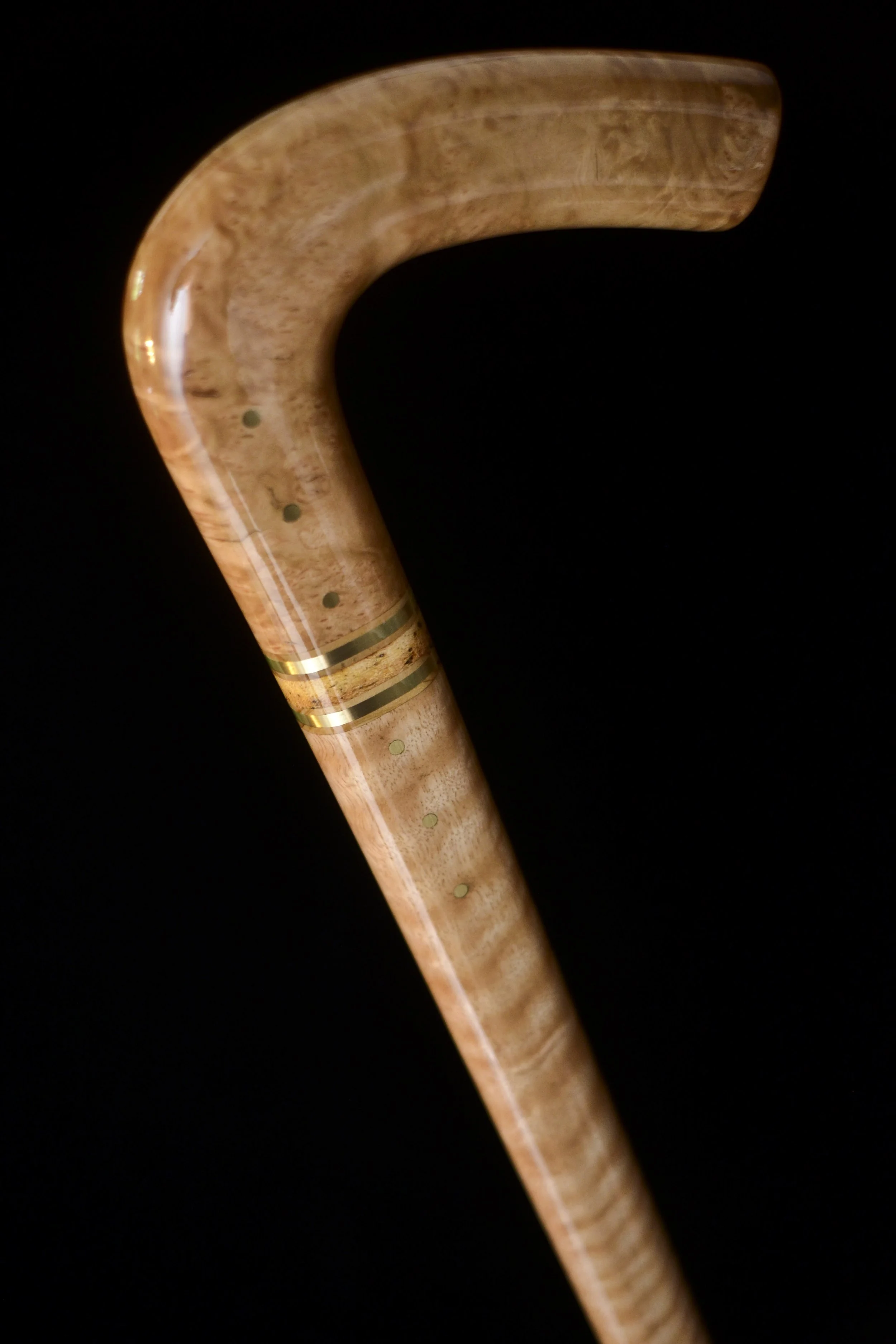
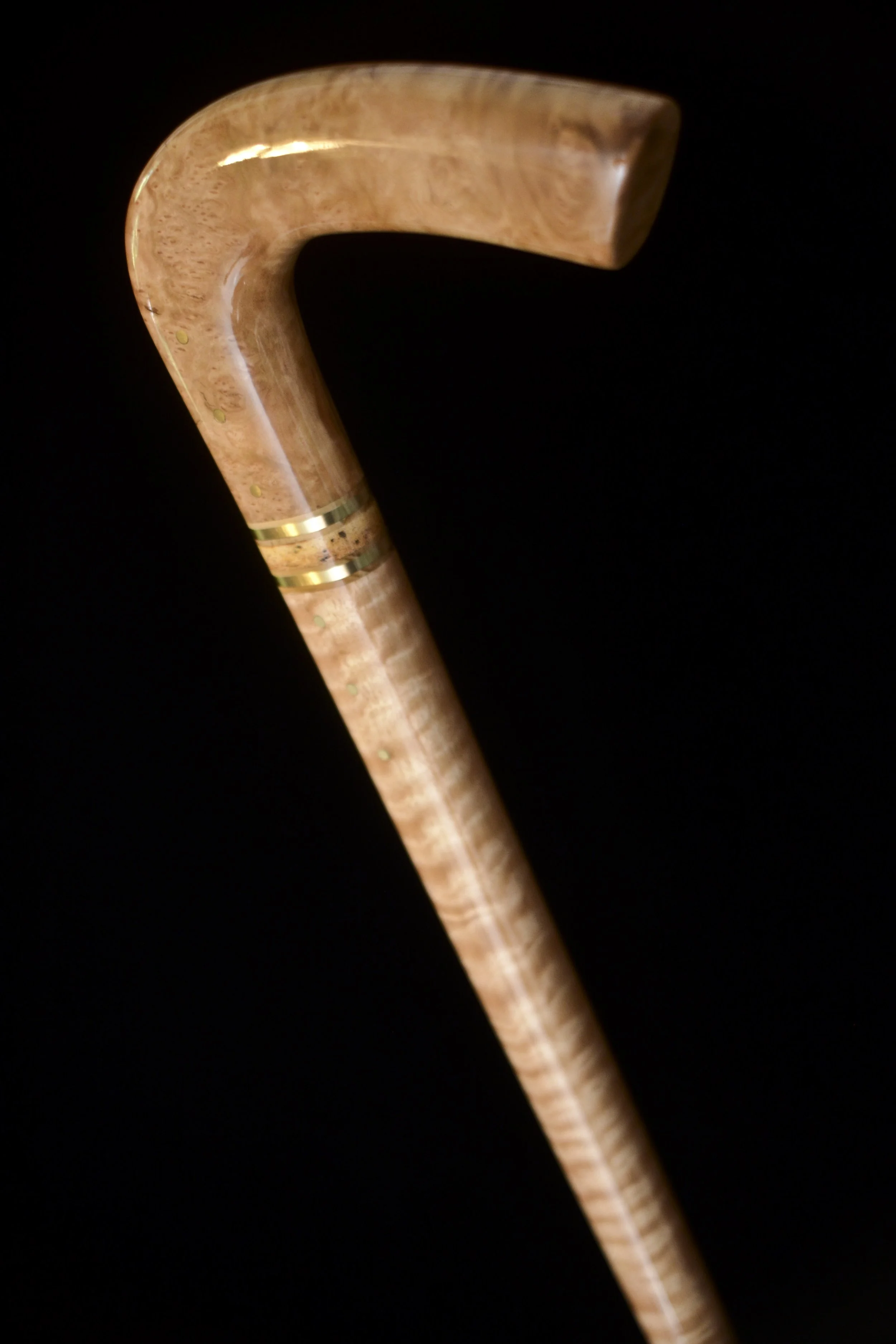
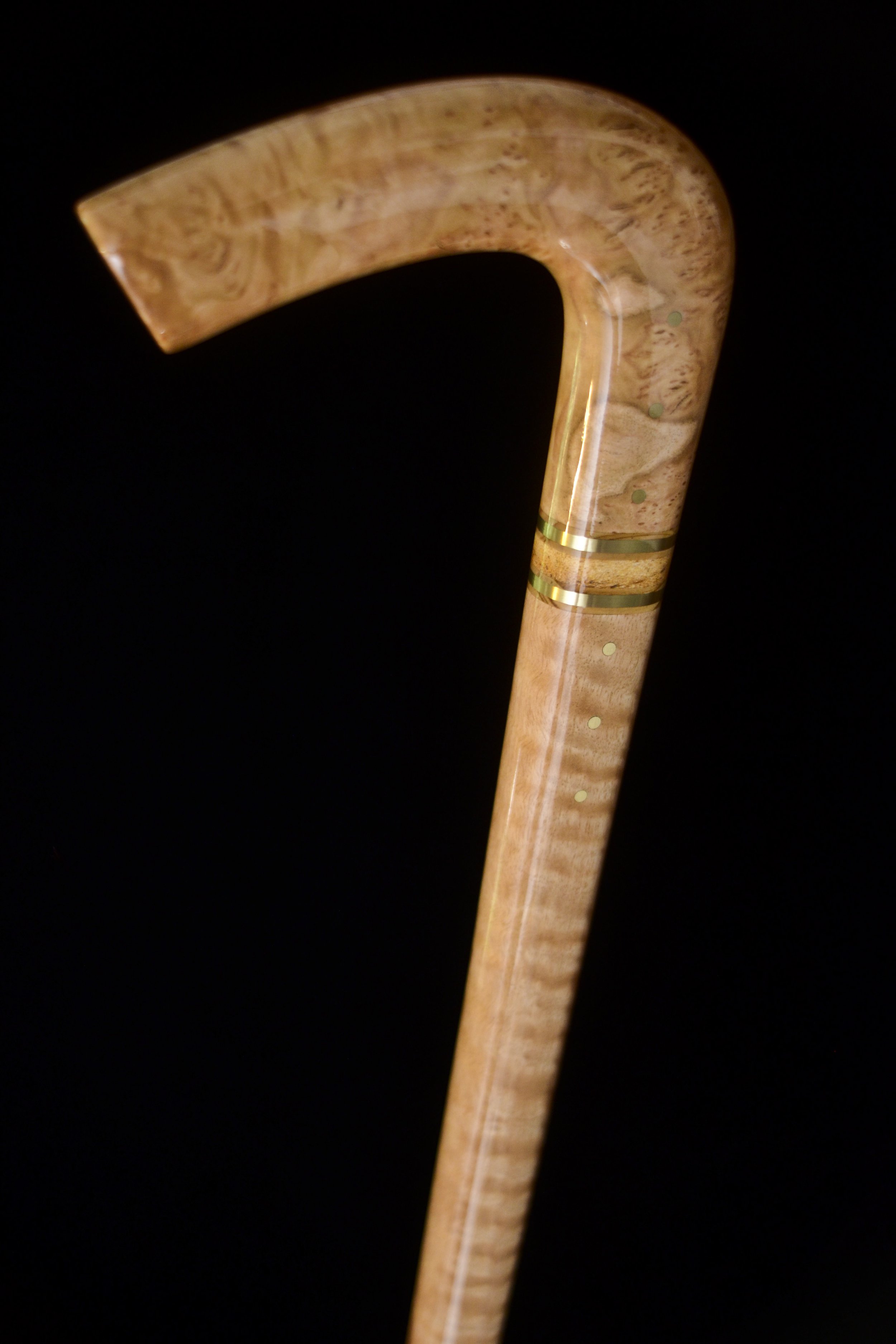
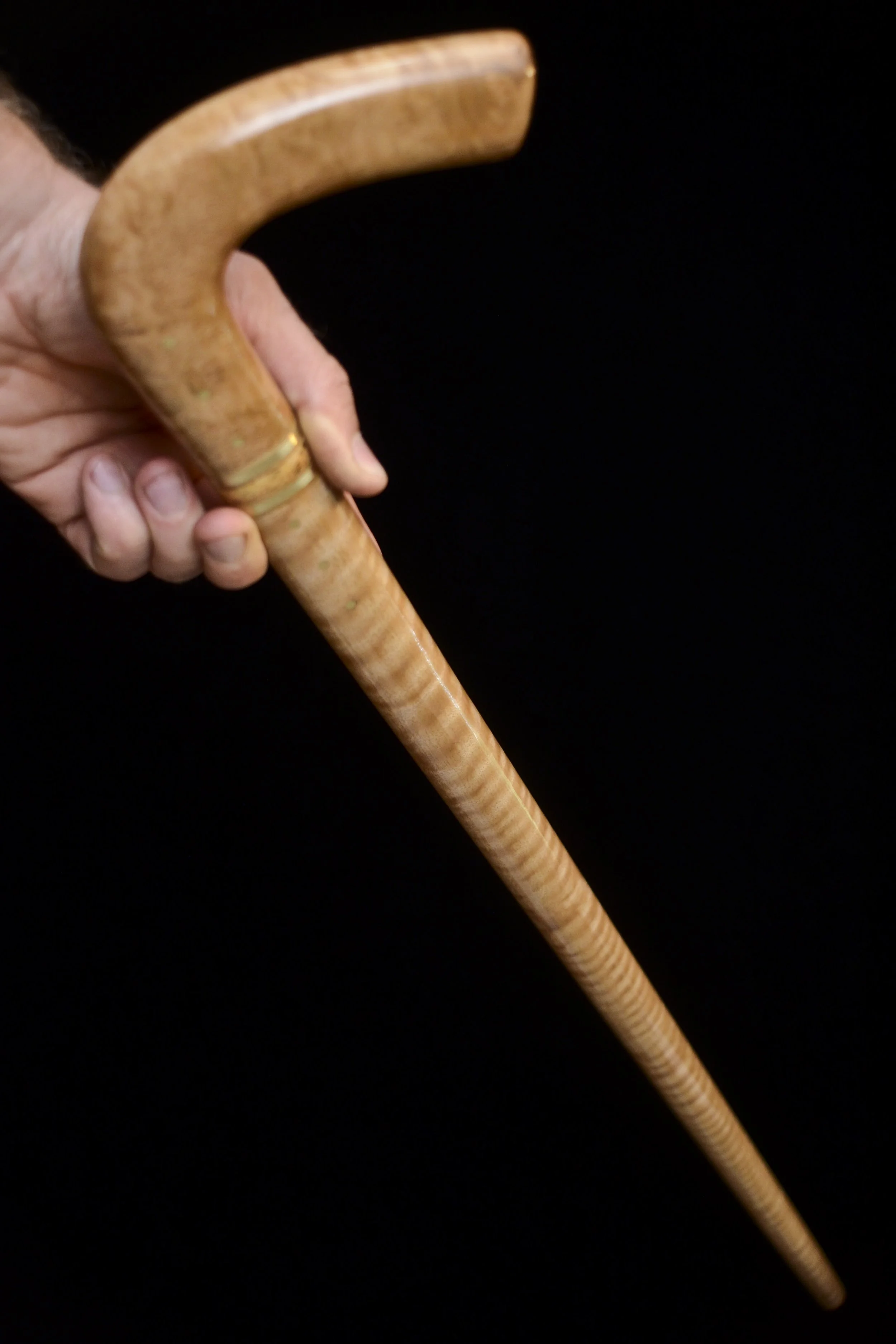
Here is a lightly colored cane full of amazing wood grains top to bottom! The handle is Yellow box burl, an Australian Eucalyptus species, and the shaft is curl figured Australian Eucalyptus of a different species. There are close to 1000 different eucalyptus species native to Australia, I’m not sure which one the shaft is but its very dense and chatoyant.
The divider centerpiece is the ancient part of this cane, its rib bone from an extinct mammal called the “Steller’s Sea Cow”. This species went extinct in the 1700’s, just a few decades after it was first discovered by western explorers venturing into the northern most reaches of North America. It was the largest member of the dugong family of species which includes the manatee. The Steller’s Sea Cow had likely been on decline since the last ice age and few remained. The Inuit people of Alaska had been hunting and co-existing with this species for thousands of years, and it was during excavations of ancient Inuit hunting grounds on St. Lawrence Island that this rib bone and others was excavated. It’s thousands of years old and tells a unique story. Despite being ancient It’s very durable bone, the Steller’s Sea Cow was massive and had the densest bones of any marine species ever known.
The thin layers of wood in the divider are cedar of Lebanon, along with solid layers of brass. A functional cane for any lover of figured wood grains.
D E T A I L S
Cane Length: 38" (can be shortened to fit, just leave a note with your order)
Cane Weight: 1 lb. 8 oz.
Handle Material: Yellow Box burl from Australia
Divider Material: Two solid brass layers, thin cedar of Lebanon
Shaft Material: Cumaru from South America
Includes Rubber Tip